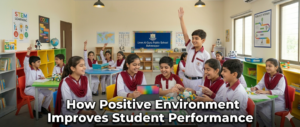
Understanding Child Learning Behavior in Modern Education
In today’s fast-changing world, understanding child learning behavior has become essential for parents and educators. With new technologies, AI tools, and evolving teaching methods, it is important to look deeper into how children learn, engage, and sometimes struggle in school.
What is Child Learning Behavior?
Child learning behavior refers to the ways children approach learning tasks — their motivation, attention span, emotional responses, social interactions, and reactions to different teaching styles. It is not just about “good” or “bad” behavior. It is a reflection of a child’s cognitive, emotional, and social development.
Why It Matters in 2026
Modern education is moving away from traditional one-size-fits-all methods toward personalized, student-centered learning. Children today face many challenges including screen time, academic pressure, and changing family dynamics.
When we truly understand a child’s learning behavior, we can:
- Identify learning difficulties early
- Reduce frustration and disruptive behavior
- Boost confidence and academic performance
- Create a more supportive and engaging environment
Key Factors That Influence Learning Behavior
- Biological & Cognitive Factors – Attention, memory, and self-regulation skills
- Emotional & Social Factors – Anxiety, confidence, peer relationships, and emotional needs
- Environment & Home Factors – Sleep, nutrition, family support, and classroom atmosphere
- Teaching Methods – Traditional rote learning vs modern approaches like robotics, coding, and project-based activities
- Technology Impact – How smart tools and AI affect attention and engagement
Common Learning Behavior Patterns
- Engaged & Curious Learners – Show natural interest and persistence
- Avoidant or Disruptive Behavior – Often a sign of frustration, boredom, or skill gaps
- Quiet Withdrawal – May indicate anxiety or lack of confidence
- Highly Active Children – Learn best through movement and hands-on activities
Practical Strategies for Parents and Teachers
- Observe behavior patterns without immediate judgment
- Build strong, trusting relationships with children
- Use varied teaching methods (visual, auditory, kinesthetic)
- Encourage play and movement for better focus
- Teach emotional regulation and self-control skills
- Integrate technology wisely – balance screen time with real-world activities
- Maintain open communication between home and school
The Role of Modern Schools
Progressive schools today focus on holistic development. They combine strong academics with 21st-century skills such as critical thinking, creativity, robotics, and AI-based learning, while also paying attention to emotional intelligence and moral values.
The best schools create environments where children feel safe, respected, and motivated to learn naturally.
Final Thoughts
Understanding child learning behavior is not about labeling children — it is about empowering them. When parents, teachers, and schools work together with patience and knowledge, children develop confidence, resilience, and a lifelong love for learning.
In the modern education system, behavior is not a problem to be fixed, but a signal to be understood. By responding with empathy and the right support, we can help every child thrive academically, socially, and emotionally.
Have you noticed any specific learning behaviors in your child?
Share your experiences in the comments below.